
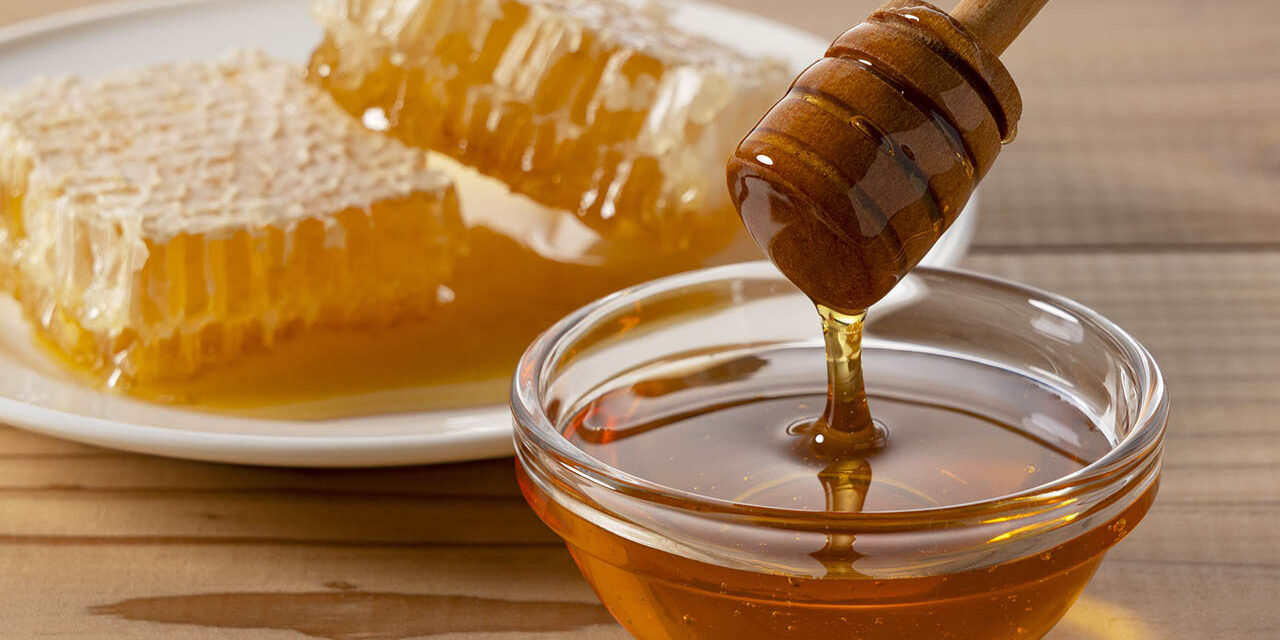
Honey is truly a remarkable food. With so many varieties to choose from and countless ways to use it, there’s more to this liquid gold than meets the eye. Whether you drizzle it over toast, stir it into tea, or experiment with it in a new recipe, trying different types of honey can add new flavor and depth to everyday meals. The next time you reach for a jar, take a moment to appreciate the work of the bees, and maybe even explore a variety you’ve never tried before!
I really enjoy honey and have it almost every day. I recently purchased whipped honey with lemon; it’s so delicious by the spoonful, in tea, and even on toast. If you enjoy all types of honey like I do, which kinds do you buy the most? Let me know in the comment section below, I would love to hear from you!
🐝Popular Types of Honey
Honey is one of the oldest and most beloved natural sweeteners in the world. It has been used for thousands of years in cooking, baking, and even traditional remedies. Different types of honey offer unique flavors and uses. Let’s take a look at some common varieties as shared by thekitchn.com.
Clover – One of the most popular honey varieties found on many grocery store shelves; it has a mild, floral, sweet flavor and works well in tea, baking, and salad dressings, or as sweetener for marinades.
Orange Blossom – Another popular variety, it’s a favorite due to its mild citrusy flavor. It’s light in color, similar to clover honey, and works well in tea, salad dressings, sauces and for sweetening cocktails.
Wildflower – This variety of honey can take on a spectrum of floral flavors and ranges in color from light to dark. It has more of a distinct bolder flavor than mild clover honey. It works well for drizzling and for use with charcuterie boards.
Acacia – One of the lightest colored honeys, this variety has a very mild flavor and is a great choice for an “all-purpose” honey. If you don’t use honey too often, this is a good one to use. It works well in tea and baking.
Buckwheat– Has one of the darkest colors of any honey and a bolder flavor which is sometimes described as both nutty and slightly bitter. It’s a great choice for cooking, baking, marinades and glazing.
Manuka – Comes from the flowers of the manuka tree which is native to New Zealand and parts of Australia and is harvested exclusively during a two to six week period of summer. It must go through a certification process to be recognized as true Manuka honey. It can range in color from dark to creamy brown and has a thick consistency.
🍯🥄Sweet Ways to Use Honey
Let’s check out some common uses of honey.
Sweetener: Stir into tea, coffee, smoothies, or yogurt instead of refined sugar.
Breakfast Boost: Drizzle on pancakes, waffles, toast, oatmeal, or granola.
Cooking/Baking: Use as a natural sweetener in baking, or as a base for marinades, glazes (e.g., for chicken or salmon), and salad dressings.
Snacks: Pair with nut butter, cheese (like goat or feta), or fruits.
🛒NCP Panel Members
Picking up honey at the store? Most varieties have a UPC barcode, so remember to scan your purchase. Be sure to scan the extras too, whether it’s tea, crackers, cheese, yogurt, or anything else that pairs perfectly with your honey!
👉Want to Join NCP?
If you’re not a NCP panel member and you’re interested in joining NCP to share your shopping experiences, earn great rewards, and influence what you see on store shelves, go to the Join NCP section of the blog for more information.
Don’t worry, bee happy!🐝🌞
Regards,
Taylor
More from NCP
From Leaf to Cup: All About Tea
From Tap to Table
Blog comment reminder: For help with panel-related issues (such as scanning or rewards), please contact our Panel Support Center directly at 1-800-962-6700, [email protected], or via NCP’s Facebook page. Please don’t post panel-related issues or share personal information in the blog comments. Thank you!


I only buy local honey since it is the best for health issues that I have. So very delicious!!!
I love honey! In my tea, over my yogurt with some berries and granola, on toast.
I love “Bee Harmony honey. It just has such a great taste all types of it. I also purchase “ Great Lakes “ wild flower honey. These are my favorites . I love honey in tea, meatloaf, and on Cheerios.
I stick to local honey from a seller that has beehives. But I also keep Manuka Honey on hand to use for healing of sores.
I love a variety of honeys. I am waiting to try a new to me honey that a friend brought home from her trip to France, and is sending to me, Lavender Honey.
I really Love Tupelo Honey, it’s a rare honey harvested in the Florida and Georgia Swamps. It has a delicious flavor and is lower on the Glycemic Index. It’s pretty pricey but we’ll worth it.
I also keep a special brand of Manuka honey. I love the medicinal properties, It can heal a cut in no time and if you have a sore throat or a cold coming on just take a half spoon full of this honey and you’ll be good in no time. And then I like wild flower honey for everyday tea as I don’t use kitchen sugar in my teas.
My favorite is manuka, but since it’s very pricey compared to others it’s only a splurge for me. Next would be the orange blossom so delicious, then wildflower. I don’t much care for clover honey I find it slightly bitter.
The longevity and restorative properties of honey are a blessing to man & have been for thousands of years – amazing product! Tasty, too! Thanks for the delineation of types and flavors.