
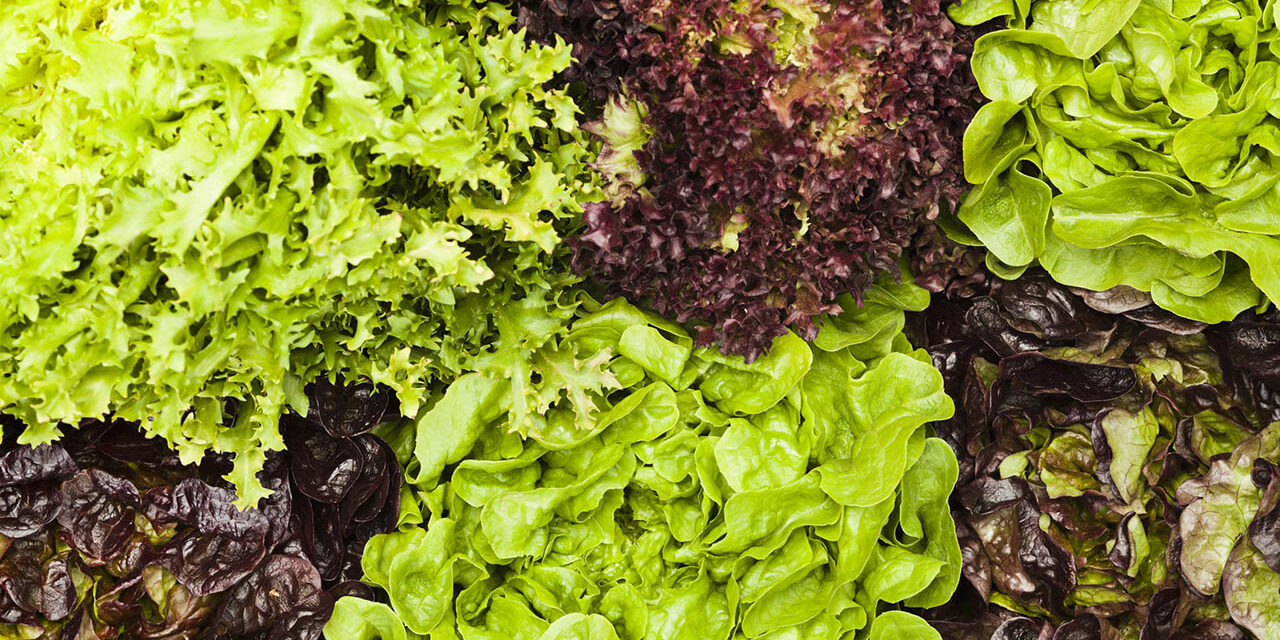
Most of us grab whatever lettuce looks fresh at the store without thinking twice. Choosing the right lettuce can completely change the texture and flavor of a dish. Whether you’re making a classic Caesar salad, a simple side salad, or even tacos or sandwiches, the type of lettuce you use matters more than you might think. I’ll review the different types of lettuce later in the blog.
Recently, I started thinking about growing my own lettuce this year. After all the snow we’ve had here in the Northeast, it feels like everyone is counting down the days until spring finally arrives. While researching how to grow lettuce, I learned that early spring and fall are actually the best times to plant. I’m glad I discovered that now, because time flies by and spring will be here before we know it. I’d better start planning!
What’s your favorite type of lettuce? Do you grow your own? Let me know in the comment section, and please share any gardening tips you might have!
🌱Growing Your Own Lettuce
Lettuce is one of the easiest and most rewarding crops for home gardeners, thriving in cool weather and small spaces. Whether planted in a backyard garden bed or a simple container on a patio, homegrown lettuce offers fresher flavor, more variety, and the satisfaction of harvesting it yourself.
Here are some tips for growing lettuce as shared by bonnieplants.com.
– Plant lettuce during the mild weather of early spring and fall. Lettuce is a great option for in-ground gardening, raised garden beds, and containers.
-Space lettuce plants 6 to 18 inches apart (depending on the variety) in an area that gets an abundance of sun and has fertile, well-drained soil with a pH between 6.0 and 7.0.
-Improve native soil by mixing in several inches of aged compost or other rich organic matter.
-Well-hydrated lettuce will bear tender leaves, so keep moisture levels consistent by watering whenever the top inch of soil becomes dry.
-Prevent weeds and make your watering efforts last longer by applying a thick layer of mulch made from finely ground leaves or bark.
🥬Common Lettuce Varieties
Before choosing which lettuce to buy, it helps to understand some of the varieties you’ll find at the store.
Here are a few of the more common varieties as shared by epicurious.com.
Arugula
Originating from the Mediterranean, this green tastes earthy and slightly tart with a bold, peppery kick.
Butterhead
The most common varieties of butterhead lettuce are Boston and Bibb. The texture of butter lettuce is velvety smooth.
Iceberg
Iceberg lettuce forms in medium-size heads with tightly packed, pale green leaves. Its texture is crisp, watery, and refreshing. It’s one of the most cost-effective types of lettuce.
Looseleaf
The leaves of this type of lettuce, which is available in both red and green varieties, sprout from a central stalk in an open formation and have a mild flavor.
Romaine
This large leafy lettuce has a thick center rib which gives it a real crunch and a slight bitter taste. This lettuce was originally used when Caesar salad was created.
Spring Mix
Spring mix (often referred to as mixed mesclun) is not a specific type of lettuce, but a loose mix of tender young lettuce leaves that might include a number of varieties such as arugula, baby spinach, radicchio, and other baby greens.
🛒NCP Panel Members
Packaged lettuce and salad mixes usually have a UPC barcode; if you buy loose lettuce you can tell us about it by using the Non-Barcoded Items list in the NCPMobile app, or the Barcode Reference Booklet if you use NCP’s handheld scanner.
Select the Vegetables category, then select Lettuce. On the Item Details screen, enter the total amount you paid for the lettuce and if you received any type of promotion. (If you use NCP’s handheld scanner, refer to the instructions in the Barcode Reference Booklet.) How easy is that?
Whether you’re shopping for lettuce or growing your own, a little lettuce knowledge goes a long way. The right lettuce can make a difference next time you build a meal.
Regards,
Taylor
More from NCP
Gardening Tips to Get You Growing
Save Time and Eat Healthy With Salads
Blog comment reminder: For help with panel-related issues (such as scanning or rewards), please contact our Panel Support Center directly at 1-800-962-6700, [email protected], or via NCP’s Facebook page. Please don’t post panel-related issues or share personal information in the blog comments. Thank you!


Romaine is my favorite all washed up so it’s nice and crispy with a chef salad or with a chicken Caesar salad.